Root Canal Beverly Hills Recovery: Tips for a Smooth Healing Process

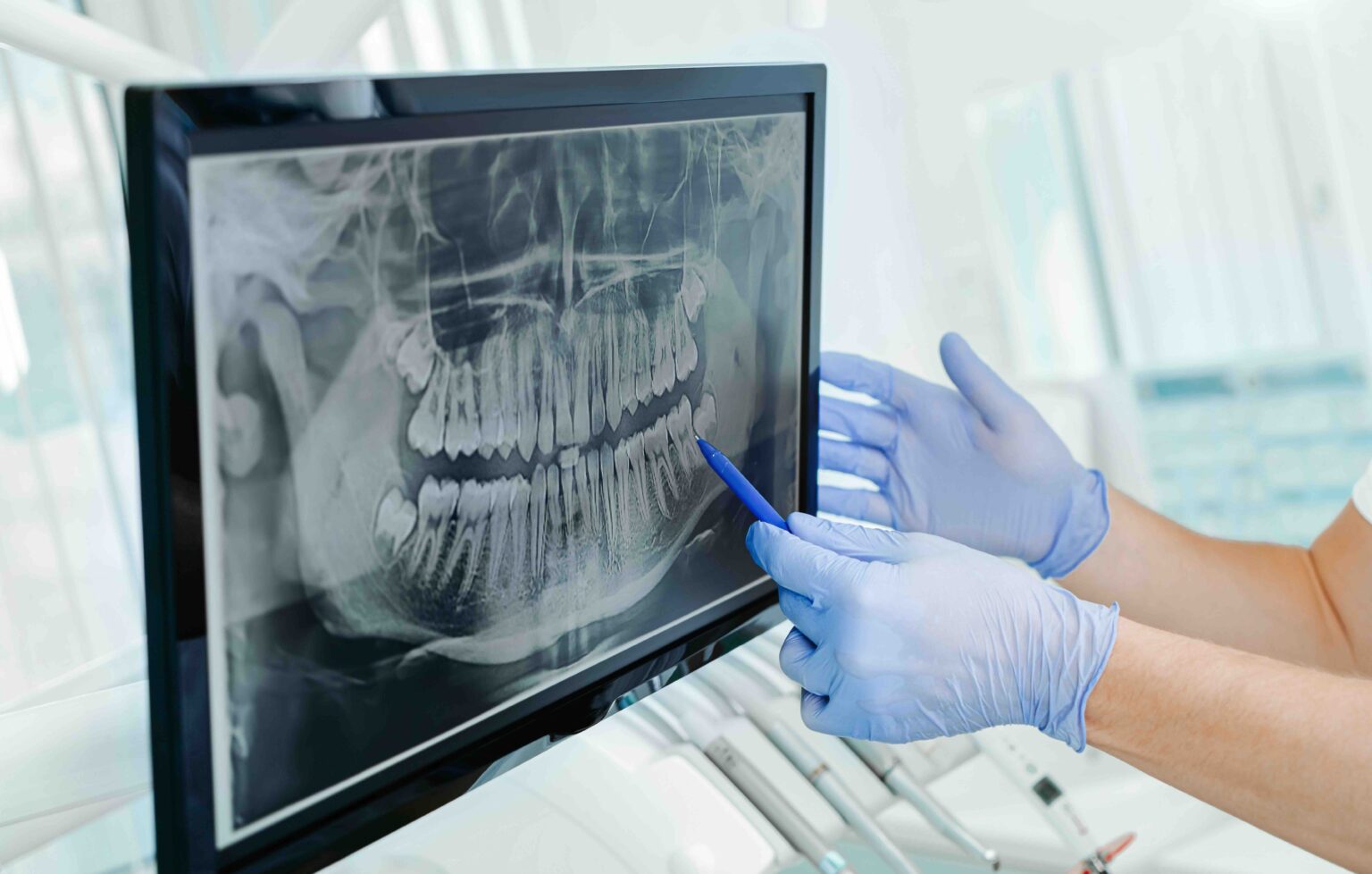
A root canal often comes with more anxiety than it deserves. In practice, the recovery period is usually far easier than the pain that led someone to the appointment in the first place. Most people are surprised by that. They expect a drawn-out ordeal, then discover that the treated tooth feels tender for a few days, the bite may seem slightly off, and normal routines can often resume quickly with a little common sense.
That said, smooth healing is not automatic. It depends on what the tooth looked like before treatment, how inflamed the surrounding tissue was, whether there was an active infection, and how carefully a patient follows aftercare instructions. Recovery can also feel different from one person to the next. A straightforward front tooth treated early may settle down quickly. A molar with deep decay, a large old filling, and weeks of pain before treatment may need more patience.
For patients searching for guidance after a Root Canal Beverly Hills appointment, the most helpful advice is usually simple, specific, and realistic. Know what is normal, protect the tooth while it is vulnerable, stay ahead of discomfort, and pay attention to the signs that deserve a call back to the office.
What recovery usually feels like
The first 24 to 72 hours are often the most noticeable. Mild to moderate soreness is common, especially when chewing or touching the tooth. This does not necessarily mean the root canal failed. It often reflects inflammation in the ligament around the root, which can remain irritated even after the infected pulp has been removed.
Patients describe the sensation in different ways. Some say the tooth feels bruised. Others notice pressure or a dull ache when they bite down. If the area was badly infected beforehand, the gum nearby can also feel tender for a short time. A front tooth may feel relatively quiet, while a back molar that handled most of the chewing load before treatment can be more noticeable.
Numbness from local anesthetic usually wears off within a few hours. During that window, people sometimes accidentally bite their cheek or tongue, particularly if the treated tooth was in the lower jaw. That is one reason dentists often recommend waiting to eat until normal feeling has returned.
A temporary filling or temporary crown may also make the tooth feel a little different. It can feel slightly rough, or the bite may feel unusual until the final restoration is placed. That temporary stage matters more than many patients realize, because a root canal-treated tooth is often structurally weaker than it looks from the outside.
Why some root canals heal faster than others
No two cases start from the same place. If the nerve inside the tooth had just recently become inflamed, healing may be relatively quick. If the tooth had been infected for weeks or months, or if there was an abscess at Root Canal Beverly Hills the root tip, the tissue around the tooth may need longer to calm down.
The tooth’s location matters too. Molars are more complex. They often have multiple canals, heavier bite forces, and a greater tendency to crack if not restored promptly. A person who clenches their jaw, grinds at night, or tends to chew ice will usually need a more cautious recovery plan than someone with a lighter bite.
Existing dental work can change the picture as well. Large fillings, prior fractures, or a history of repeated repairs can leave the tooth with less healthy structure. In those cases, the root canal solves the infection, but the long-term success still depends on protecting what remains.
I have seen two patients with nearly identical X-rays have very different recoveries simply because one returned to a normal diet that same evening and the other followed soft-food guidance for a few days. Teeth do not heal well when they are asked to do too much too soon.
The first day matters more than people think
Many post-treatment issues begin with small missteps during the first several hours. Eating while still numb, chewing directly on the treated side, or assuming the tooth is now “fixed” and ready for anything can lead to avoidable discomfort.
The first day is about reducing irritation, not testing the tooth. If your dentist placed a temporary restoration, that advice becomes even more important. Temporary materials are useful, but they are not designed to endure the same stress as a final bonded filling or crown.
Here is a practical first-day checklist that tends to serve patients well:
- Wait until the numbness wears off before eating.
- Choose softer foods and chew on the opposite side if possible.
- Take any recommended pain relief before soreness fully builds.
- Keep the area clean, but brush gently around the treated tooth.
- Avoid sticky, hard, or crunchy foods until your dentist says the tooth is ready.
Those five steps prevent a surprising number of callbacks.
Pain control without overcomplicating it
For uncomplicated recovery, discomfort is often manageable with commonly recommended over-the-counter medications, assuming a patient can safely take them. Dentists frequently suggest an anti-inflammatory option because the tissue around the root is often the source of post-treatment soreness. The key is not heroics. It is timing.
People tend to wait until pain becomes sharp, then try to chase it. That usually works less well than taking the medication as directed early, when tenderness first starts to emerge. If your dentist prescribed something stronger or recommended a specific schedule, follow that plan rather than improvising.
Cold compresses can help if the area feels sore or slightly swollen, particularly during the first day. Use them intermittently, not continuously. Heat is generally less useful in the immediate recovery period unless your dentist specifically suggests otherwise.
It is worth saying plainly that pain should trend downward, not upward. Some soreness when biting for a few days can be normal. Escalating pain, throbbing that keeps you awake, or swelling that becomes obvious on the face deserves attention.
Eating after a root canal, what works and what backfires
Food choices during recovery do not need to be joyless, but they should be strategic. Soft, non-sticky meals are your friend for the first couple of days. Yogurt, eggs, soup that is warm rather than scalding, oatmeal, fish, pasta, rice, smoothies eaten carefully, and tender cooked vegetables are usually easy choices.
The troublemakers are predictable. Hard crusty bread, nuts, popcorn, caramel, taffy, ice, and crunchy chips put stress on a tooth that may still be tender or temporarily restored. I have seen temporary fillings pulled loose by chewy candy and painful flare-ups triggered by someone testing a treated molar with a handful of almonds the same evening.
Temperature sensitivity is less common after a completed root canal because the nerve tissue has been removed, but surrounding structures can still be irritated. Extremely hot food can feel unpleasant at first, especially if the gum is tender. Lukewarm or cool foods are often easier the first day.
If you had treatment on a back tooth and your final crown has not yet been placed, treat that tooth like a recovering ankle. It may look stable, but that does not mean it is ready for impact.
Oral hygiene, be gentle but do not get lax
Patients sometimes worry that brushing near the area will disturb healing. The opposite problem is more common. They avoid the area entirely, plaque builds up, the gum gets inflamed, and the whole region feels worse.
Cleanliness helps recovery. Brush normally, but use a light hand near the treated tooth if the gum is tender. Floss carefully. If there is a temporary crown, slide floss out to the side rather than snapping it upward if your dentist has recommended that technique. Small handling details can preserve a temporary restoration until the permanent one is ready.
Saltwater rinses are often helpful, especially if the gum was irritated by a dental dam clamp, injections, or prior swelling from infection. A simple warm saltwater rinse a few times a day can be soothing without being harsh. Vigorous swishing is unnecessary. Think gentle rinse, not mouthwash commercial.
The role of the final crown or permanent restoration
A successful root canal is only part of the story. The inside of the tooth may be disinfected and sealed, but the outside still has to withstand real bite forces. That is why dentists often recommend a crown on back teeth after root canal treatment. Molars and premolars take repeated pressure, and once a tooth has lost enough structure to need a root canal, it is often at greater risk of cracking.
Patients sometimes delay the permanent restoration because the tooth no longer hurts. That is a gamble. Pain relief can create a false sense of security. A tooth can feel fine and still be vulnerable to fracture. When that happens, the repair becomes more complicated, more expensive, and in some cases impossible to save.
Front teeth are a little different. If enough healthy structure remains, a filling may be sufficient. The right restoration depends on the tooth, the bite, cosmetic needs, and how much natural enamel is left. The important point is this: finishing the restorative phase is not optional housekeeping. It is part of the treatment.
For patients who choose a Root Canal Beverly Hills provider, one advantage is often the coordination between endodontic treatment and cosmetic or restorative planning. In a setting where appearance and function are both high priorities, the discussion usually goes beyond simply eliminating infection. It includes bite balance, material choice, and preserving the long-term look of the smile.
When lingering soreness is normal, and when it is not
A little residual tenderness does not mean something is wrong. Inflammation around the root tip can take time to settle, particularly if the tooth was painful before treatment. Some patients notice the tooth most when chewing dense food. Others feel occasional awareness rather than actual pain. That can be part of normal healing.
The harder question is when to worry. These signs are worth a prompt call to the dental office:
- Pain is worsening instead of easing after a few days.
- Swelling appears in the gum, jaw, or face.
- Your bite feels high, and the tooth hits first every time you close.
- The temporary filling or crown comes loose or falls out.
- Fever, foul taste, or drainage develops.
A “high bite” deserves special attention. It is more common than people think after dental treatment, and it can make a tooth feel far more painful than it should. If the restored tooth contacts before the others, the ligament around the root can become irritated with every chew. A simple adjustment can make a dramatic difference. Patients sometimes spend days assuming they just need to tough it out, when the real fix takes a few minutes in the chair.
Swelling and infection, what patients often misunderstand
Many people assume that once the canal has been cleaned, any swelling should vanish immediately. Biology does not move that fast. If there was an infection before treatment, the body still has to resolve the inflammatory aftermath. Mild residual puffiness in the gum can persist for a short time.
What should not happen is progressive swelling. If your face looks more swollen the day after treatment than it did right afterward, or if pressure becomes more intense rather than less, that needs evaluation. Sometimes the issue is persistent infection. Sometimes drainage pathways change as the area responds. Occasionally, the source is not the treated tooth at all, but a neighboring tooth or gum issue that only became obvious once the main pain settled.
Antibiotics are useful in selected cases, but they are not a substitute for definitive dental treatment, and they are not required after every root canal. That surprises some patients. If the infection is confined within the tooth and the source has been removed effectively, many people recover well without them. When dentists do prescribe antibiotics, it is usually because there is spreading infection, swelling, fever, or a pattern that suggests additional support is warranted.
Sleep, stress, and the clenching factor
Recovery is not only about the tooth. It is also about what your jaw does when you are not paying attention. People under stress often clench more at night, and a freshly treated tooth can become the focal point of that pressure. The result is morning soreness that feels like the treatment “didn’t work,” when in reality the surrounding ligament is simply being overloaded.
If you wake up with jaw tension, a headache near the temples, or a sense that your back teeth were working overtime overnight, tell your dentist. A night guard or bite evaluation may be part of the solution, especially if you have a history of fractured fillings or worn enamel.
Sleeping slightly elevated the first night can also help some patients feel more comfortable, especially if there was swelling or extensive treatment. It is not a magic fix, but reducing pressure and encouraging rest can make the first 24 hours easier.
Special considerations for busy professionals
In places like Beverly Hills, patients often schedule treatment around demanding workdays, events, travel, or public-facing commitments. That can create unrealistic expectations. A root canal may spare you from severe tooth pain, but it still deserves a window for recovery. If you have an important presentation, a long flight, or a photo-heavy event the same day, plan carefully.
Most people can function after treatment, especially if only local anesthesia was used and there was no sedation. But “functional” is not the same as fully comfortable. Talking for hours, skipping meals, or running from meeting to meeting while the numbness wears off is not ideal. If your schedule allows it, give yourself a quieter evening after the procedure. The body handles inflammation better when it is not also being pushed hard.
This is another reason patients often seek out a Root Canal Beverly Hills office with a strong reputation for communication and follow-up. Technical skill matters, but recovery is smoother when expectations are clear, scheduling is realistic, and support is easy to reach if something feels off.
A note on smoking, alcohol, and exercise
Lifestyle choices can nudge healing in the wrong direction. Smoking affects circulation and tissue health, which is never ideal after dental treatment. Alcohol can interfere with certain medications and may worsen dehydration or irritation in the early recovery window. Intense exercise on the same day can increase throbbing for some patients, especially if there was active infection or significant inflammation beforehand.
This does not mean every patient needs to spend three days on the couch. It means common sense works. A gentle walk is different from a hard workout. A normal dinner is different from chewing steak on the treated side. Good recovery tends to come from temporary restraint, not dramatic restrictions.
Children, older adults, and medically complex patients
While root canals are most often discussed in general adult terms, recovery advice should be adapted to the person in front of you. Older adults may take medications that affect bleeding, inflammation, or pain control. Patients with diabetes may heal more slowly if blood sugar is poorly controlled. People with autoimmune conditions may have a different inflammatory response. Children and teenagers, when they need endodontic care, often need extra supervision simply to avoid chewing on a numb lip or ignoring instructions once they feel better.
The point is not to make recovery sound risky. It is to recognize that smart aftercare is individualized. The best dental teams do not hand every patient the same generic page and call it a day. They tailor advice to health history, tooth type, and the practical reality of that patient’s routine.
The emotional side of dental recovery
There is also the mental side, which often goes unspoken. Patients who arrive for a root canal after weeks of pain are frequently hyperaware of every sensation afterward. That is understandable. If a tooth has been dominating your attention, it is hard to stop monitoring it just because the procedure is done.
A good rule is to watch for trends, not isolated moments. One random zing when biting does not tell you much. A steady day-by-day reduction in soreness is reassuring, even if the tooth is not perfect immediately. Recovery is rarely a straight line. It is usually a gradual settling.
If you are uncertain, call. Dentists would generally rather answer an early question than deal with a larger problem after a patient waited too long. Reassurance is part of care. So is a quick adjustment when one is needed.
What a smooth recovery usually comes down to
The patients who do best are rarely the ones who do anything elaborate. They respect the Root Canal Beverly Hills treated tooth, keep it clean, finish the restoration plan, and speak up if symptoms move in the wrong direction. That is the formula more often than not.
A root canal is designed to remove infection and preserve a natural tooth. Recovery is the bridge between treatment and long-term success. When that bridge is handled well, most people return to normal life with less pain, better function, and a healthy appreciation for the value of dealing with dental problems before they become emergencies.
Dental Group of Beverly Hills
8641 Wilshire Blvd, Suite 125
Beverly Hills, CA 90211
(310) 361-2835
FAQ About Root Canal Beverly Hills
What are the signs you need a root canal?
Persistent pain, lingering temperature sensitivity, or swelling can have several causes. A dentist can examine the tooth and decide whether root canal treatment is appropriate.
How much does a root canal usually cost in Beverly Hills CA?
Cost varies by tooth, complexity, insurance, and whether a permanent restoration is needed. Request an itemized estimate.
How long do root canals last?
A treated tooth can last many years with a suitable restoration and regular dental care. Its outlook depends on tooth condition, the seal, and follow-up care.