Root Canal Beverly Hills and the Role of Endodontic Expertise

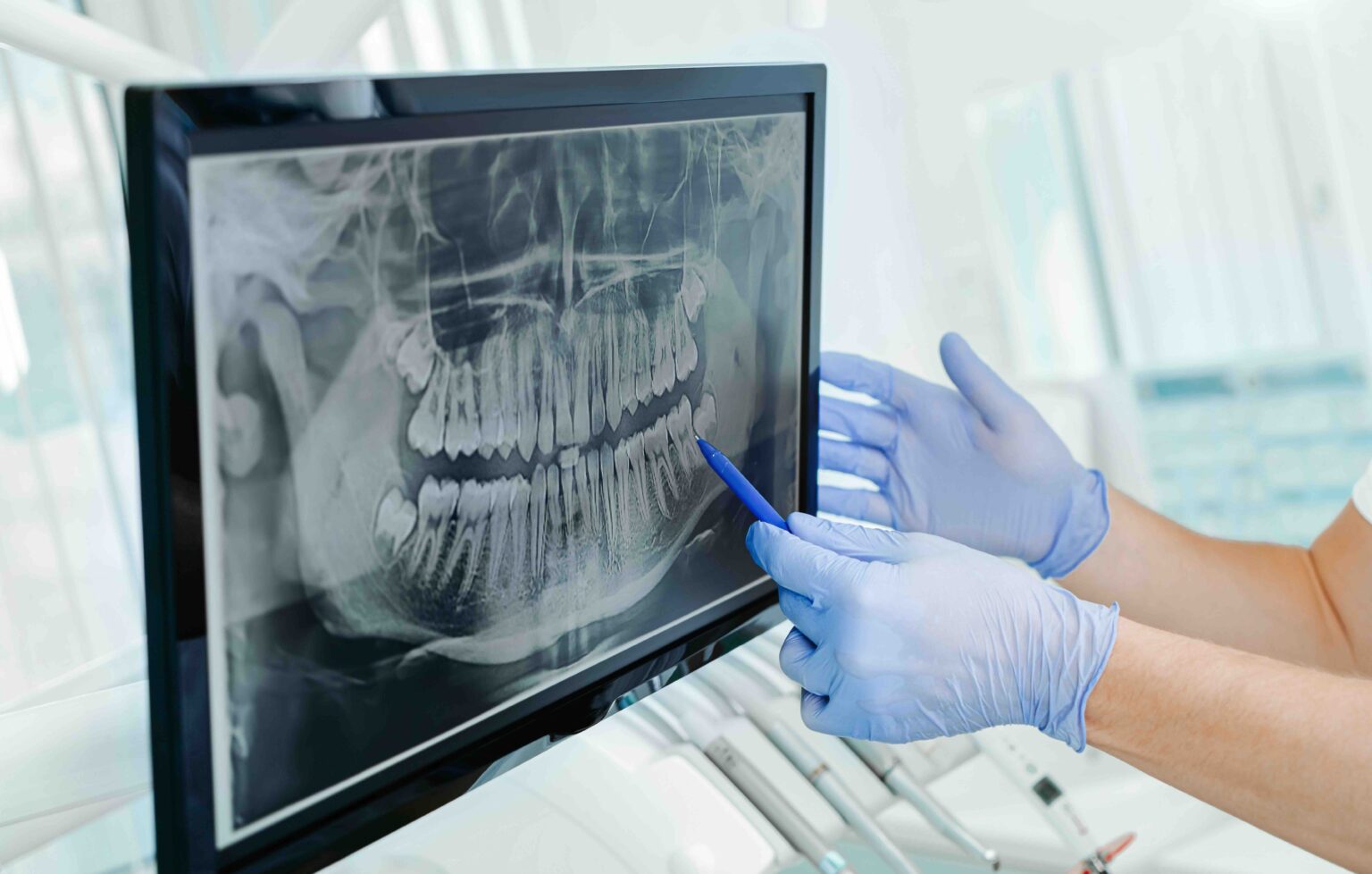

A root canal has an image problem. Many people still picture it as a painful, last-resort procedure, something to dread and delay. In practice, the modern experience is usually far more controlled, more predictable, and more comfortable than patients expect. What often matters most is not simply whether a tooth receives root canal treatment, but who is diagnosing the problem, how accurately the anatomy is understood, and how carefully the procedure is carried out from beginning to end.
That is where endodontic expertise becomes especially important.
In communities where patients expect high-level care, long-term cosmetic results, and efficient treatment, the phrase Root Canal Beverly Hills tends to carry a particular expectation. People are not only looking for relief from pain. They want precision. They want the tooth saved when possible. They want treatment that respects both function and appearance. They also want to know that a difficult tooth, a retreatment case, or a confusing diagnosis is being handled by someone who works in this narrow area of dentistry every day.
The difference between a straightforward root canal and a complex one can be dramatic. From the outside, a tooth may look ordinary. Inside, it may have sharply curved canals, extra canals that are easy to miss, calcified pathways, old restorative work, a hidden crack, or infection around the root tips that has been smoldering for months. These details shape the outcome. They also explain why specialized endodontic training is not a luxury in many cases, but a decisive factor.
Why the tooth pulp matters more than most patients realize
Inside every tooth is a soft tissue space that contains nerves, blood vessels, and connective tissue. This is the pulp. When the pulp becomes inflamed or infected, the tooth may become intensely sensitive, ache spontaneously, hurt when biting, or produce swelling. Sometimes the symptoms are obvious. Sometimes they are deceptive. A patient may report what feels like upper tooth pain, only to learn the real source is a lower molar, or even a sinus issue rather than a dental one.
The goal of root canal treatment is to remove diseased pulp tissue, clean and disinfect the internal canal system, and seal the space so bacteria cannot easily recolonize it. The tooth is then restored, often with a crown in back teeth, so it can function normally.
That sounds simple on paper. Clinically, it is anything but routine in every case.
A small front tooth may have a relatively straightforward internal shape. A lower molar may have narrow, curved, branching canals that require patience and magnification to negotiate safely. A previously treated tooth can present another layer of difficulty if old filling material must be removed, posts must be bypassed, or hidden anatomy must be found after an earlier treatment failed.
When patients hear that a specialist is recommended, it is often because the anatomy or diagnosis calls for a higher level of technical focus.
What endodontists bring to the table
An endodontist is a dentist who completes additional advanced training focused on diseases of the dental pulp and tissues around the roots of teeth. That training centers on diagnosis, pain management, root canal therapy, retreatment, trauma, and surgeries such as apicoectomy when conventional treatment is not enough.
The practical difference shows up in several ways. First, endodontists spend most of their clinical time on root canal related problems. Repetition matters. A clinician who evaluates complex tooth pain all day develops a sharper eye for patterns that a general practice may see less often. Second, specialists typically work with tools that improve visualization and accuracy, including operating microscopes, digital imaging, and in many offices, cone beam CT scans for three-dimensional assessment when needed.
That combination of training and equipment can be pivotal. A missed canal is a classic reason a tooth remains symptomatic after treatment. So is an undetected crack. So is anatomy that was partially blocked or calcified. The issue is rarely effort. It is often visibility, case selection, and experience with unusual presentations.
In a place like Beverly Hills, patients frequently arrive with a dense mix of concerns. They may have a heavily restored smile, previous cosmetic dentistry, old crowns that still look excellent from the outside, and high expectations about preserving natural teeth. Root canal decisions cannot be made in isolation. They sit at the intersection of pain control, structural integrity, esthetics, and long-term planning.
When a root canal is actually the right choice
There is a persistent misconception that extraction is simpler and therefore better. Sometimes extraction is unavoidable, especially when a tooth is fractured beyond repair, has severe structural loss, or has advanced periodontal compromise. But when a tooth can be predictably saved, preserving it is often the more conservative and biologically sound option.
A natural tooth has qualities that no replacement replicates perfectly. It is anchored through the periodontal ligament, which provides subtle sensory feedback during chewing. It maintains bone in a natural way. It preserves spacing and bite relationships without requiring neighboring teeth to be altered, as a bridge may. Even when implants are an excellent treatment option, they are not immune to complications. They require planning, healing time, maintenance, and favorable anatomy.
That is why careful diagnosis matters before anyone jumps to remove a tooth. A patient may come in convinced a tooth is lost because it hurts badly or because a large filling has broken down. Yet the root structure may still be restorable, and a well-executed root canal followed by proper restoration may give that tooth many additional years of function.
Symptoms can mislead, diagnosis cannot
Pain is helpful, but it is not always honest. One of the more common clinical surprises is the patient who points to one tooth while the actual culprit is two or three teeth away. Referred pain happens. So do silent infections that create little discomfort until a routine radiograph reveals bone loss near the root. Cracked teeth are another diagnostic trap. They may produce sharp pain on release when chewing, sensitivity to cold, or vague intermittent discomfort that comes and goes for weeks.
An experienced endodontic workup usually includes a conversation that goes beyond “does it hurt.” The timing of pain matters. Cold sensitivity that lingers for many seconds after the stimulus is removed suggests something different from brief sensitivity that fades immediately. Pain that wakes a person at night suggests something different from tenderness only when chewing hard foods. Swelling, bad taste, sinus tract drainage, prior trauma, old deep fillings, and recent dental work all add clues.
Radiographs help, but two-dimensional images do not tell the whole story. Some lesions are hidden by anatomy. Some fractures do not show at all. In selected cases, three-dimensional imaging can reveal root fractures, extra canals, resorption, or lesions tucked where standard films cannot show them clearly. The key is judgment. More imaging is not always better, but the right imaging at the right moment can prevent a wrong turn.
Signs that should not be ignored
Patients often wait longer than they should because the pain improves temporarily or because they hope the problem will settle on its own. A brief delay may not change the prognosis much, but prolonged delay can.
- lingering sensitivity to cold or heat
- spontaneous toothache without a clear trigger
- pain when biting or releasing pressure
- swelling in the gum or face
- a darkening tooth after trauma
Not every sign means root canal treatment is necessary. A cracked filling, gum inflammation, sinus pressure, or bite imbalance can mimic some of these symptoms. What matters is evaluation before the condition worsens.
The real sequence of treatment
For most patients, the experience begins with diagnosis, not drilling. If the nerve is irreversibly inflamed or infected, the tooth is isolated with a rubber dam, an opening is made through the top of the tooth, and the internal canals are located. The canals are gently shaped with very small instruments and irrigated with disinfecting solutions designed to reduce bacterial load and remove tissue remnants. Once the canals are adequately cleaned and shaped, they are filled with a biocompatible material and sealed.
That overview leaves out the part that takes real skill. Locating canals can be demanding in teeth with calcification, where the chamber has narrowed over time. Shaping curved roots without causing transportation or instrument separation requires tactile control and planning. Irrigation protocols must be effective but safe. A cracked tooth may seem to need a root canal at first glance, only for deeper assessment to reveal a fracture line extending in a way that changes the treatment plan entirely.
For simple cases, treatment is often completed in one visit. For others, especially when there is significant infection, drainage, complex anatomy, or uncertainty about restorability, more than one visit may be appropriate. The patient’s medical history, level of acute inflammation, and ability to achieve profound anesthesia also influence the timeline.
Modern local anesthesia techniques make treatment far more comfortable than its reputation suggests. Ironically, the untreated toothache is usually worse than the procedure meant to relieve it.
Why Beverly Hills patients often seek specialist-level care early
The phrase Root Canal Beverly Hills reflects more than geography. It often reflects a style of dental decision-making. Patients in this market are more likely to ask detailed questions, compare treatment pathways, and consider not only whether a tooth can be saved but how treatment will affect a high-value restoration, smile design, or occlusal stability. They may also have demanding schedules and little patience for avoidable redo work.
That environment tends to reward precision. If a patient has a porcelain veneer case, multiple crowns, or a carefully planned bite, preserving as much healthy tooth structure as possible matters. Access design has to respect future restorative needs. Communication between the endodontist and the restorative dentist matters. So does timing. A beautifully treated root canal can still lead to trouble if the final restoration is delayed too long, allowing leakage or fracture.
There is also a practical point here. In affluent areas, some teeth have already been heavily invested in. A molar supporting a larger restorative plan may be worth significant effort to save. A front tooth that suffered trauma years ago may have cosmetic stakes that go beyond pain relief. Endodontic expertise helps patients and dentists make nuanced choices instead of defaulting to extraction or guessing at symptoms.
The cases that separate routine care from true expertise
Some teeth are straightforward. Others are humbling.
Retreatment is one of the clearest examples. A tooth that had root canal therapy years ago may develop recurrent infection because of leakage Root Canal Beverly Hills under an old crown, a canal that was missed the first time, complex anatomy that could not be fully treated, or new decay that allowed contamination. Retreatment requires removing old root filling material, assessing previous work, and deciding whether conventional retreatment or surgery offers the better chance.
Calcified teeth are another challenge. After trauma or simply with age, the pulp chamber can narrow dramatically. Finding the canal path without removing too much tooth structure takes magnification, patience, and a steady hand. Then there are teeth with resorption, where the body begins dissolving root structure from the inside or outside. These cases require timely recognition and often a specialist’s judgment about whether the tooth is savable at all.
Dental trauma deserves its own mention. A sports injury, fall, or old accident may damage the pulp immediately or years later. Teeth can discolor, resorb, lose vitality, or develop root fractures that are not obvious at first. Managing trauma well is one of the strongest reasons to involve an endodontist, especially in younger patients where preserving the tooth can have lifelong implications.
The restoration after the root canal is not an afterthought
One of the most common misunderstandings is that the root canal itself “fixes” the tooth completely. It addresses the diseased pulp and internal infection, but the long-term survival of the tooth depends heavily on the restoration that follows.
Back teeth that have had large fillings, decay, or root canal access are often more susceptible to fracture if left with only a temporary or weak permanent filling. A well-made crown can protect the remaining tooth structure by distributing biting forces better. Front teeth are a little different. If enough tooth structure remains and the access is conservative, they may not always require a crown, though each case has to be judged individually.
This is where coordination matters. The endodontist may save the tooth biologically, but the restorative dentist must finish the job mechanically and esthetically. When that handoff is smooth, outcomes tend to be better. When it is delayed or poorly planned, even a technically successful root canal can be undermined.
Questions patients should feel comfortable asking
A good consultation should leave the patient calmer, not more confused. People do not need to master dental anatomy, but they should understand why treatment is or is not recommended, what the realistic alternatives are, and what could affect the prognosis.
A few questions are especially useful:
- Is the tooth restorable after the root canal?
- Is this a routine case or a complex one?
- Will I likely need a crown or other final restoration?
- What are the risks if I wait?
- If this tooth has been treated before, what is causing the current problem?
These questions open the right conversation. They move the appointment away from fear and toward informed decision-making.
What recovery usually looks like
After root canal treatment, mild soreness for a few days is common, especially if the tooth was already inflamed or infected before the procedure. Patients often describe the feeling as bruised or tender when chewing rather than sharply painful. Over-the-counter anti-inflammatory medication may be enough in many cases, though the dentist’s instructions and the patient’s medical history should guide what is appropriate.
Severe increasing pain, swelling, or a bite that feels suddenly high should prompt a call back to the office. Sometimes the issue is simple, such as needing a small bite adjustment. Occasionally the tooth had more extensive infection or a flare-up that requires additional management. Most recoveries are uneventful, but good follow-up matters.
The larger point is that root canal therapy should improve quality of life. It should let the patient chew without fear, sleep without throbbing pain, and move forward with definitive restoration. If a patient leaves without understanding the next step, the treatment plan is incomplete.
Experience changes the conversation
There is a noticeable difference between offices that perform root canal related diagnosis frequently and those that approach it more occasionally. In specialist settings, the discussion often becomes more refined. Instead of asking only “can we do a root canal,” the team asks, “what is the true source of pain, does this tooth have a favorable prognosis, is there a fracture risk, how will this affect the final restoration, and what is the best path for this specific patient?”
That level of specificity matters because teeth are not interchangeable. The lower first molar in a patient who grinds heavily presents a different challenge from a discolored front tooth that suffered childhood trauma. An older crown with recurrent decay tells a different story from a virgin tooth with sudden irreversible pulpitis. Good endodontics is technical, but it is also interpretive. It requires reading subtle signals and making disciplined choices under limited visibility.
For patients searching for Root Canal Beverly Hills care, this is often what they are really looking for, whether they use those words or not. They want treatment that is exacting without being theatrical, efficient without being rushed, and conservative without being naïve about the limits of a tooth.
Saving a tooth is often worth the effort. Not every tooth can or should be saved, but many that appear questionable at first can function well for years when the diagnosis is sound, the treatment is precise, and the restoration is handled properly afterward. That is the role of endodontic expertise at its best. It does not simply perform a procedure. It improves the odds that the right tooth receives the right treatment at the right time, for the right reasons.
Dental Group of Beverly Hills
8641 Wilshire Blvd, Suite 125
Beverly Hills, CA 90211
(310) 361-2835
FAQ About Root Canal Beverly Hills
What are the signs you need a root canal?
Persistent pain, lingering temperature sensitivity, or swelling can have several causes. A dentist can examine the tooth and decide whether root canal treatment is appropriate.
How much does a root canal usually cost in Beverly Hills CA?
Cost varies by tooth, complexity, insurance, and whether a permanent restoration is needed. Request an itemized estimate.
How long do root canals last?
A treated tooth can last many years with a suitable restoration and regular dental care. Its outlook depends on tooth condition, the seal, and follow-up care.