Emergency Dentist Solutions for Severe Gum Bleeding
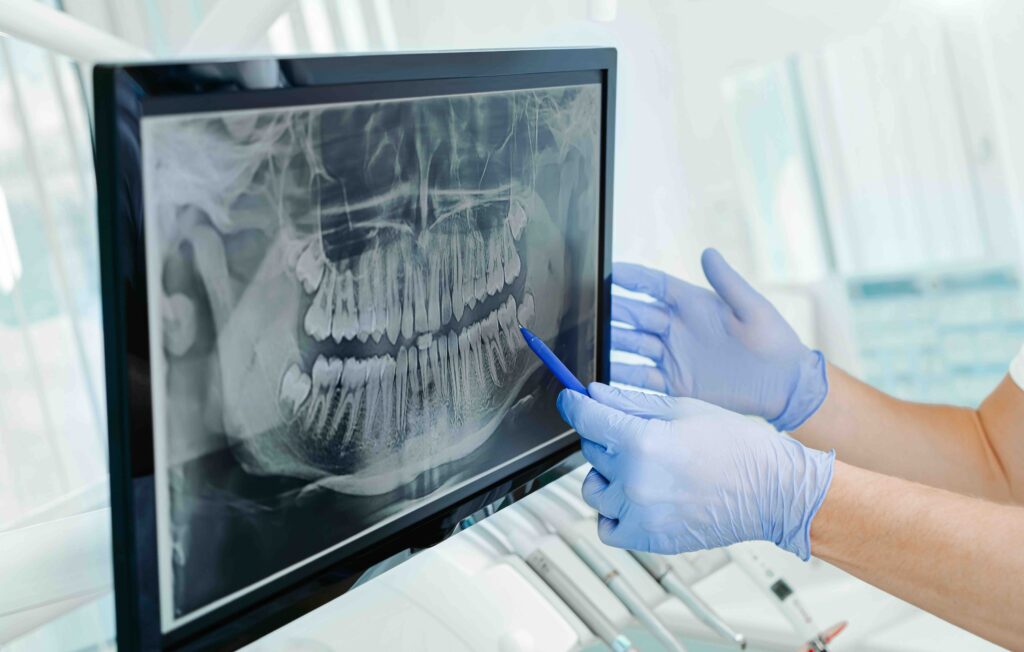

Severe gum bleeding has a way of shifting a person from mild concern to real alarm in a matter of minutes. A little pink in the sink after brushing is common enough that many people ignore it for months. Bright red blood that will not stop, blood clots in the mouth, or gums that begin bleeding without any obvious trigger belong in a different category. That is when an Emergency Dentist becomes more than a convenience. It becomes the right level of care.
In practice, severe gum bleeding can come from several very different problems. Some are local and treatable in the dental chair, such as advanced gum disease, a torn area of tissue, a recent extraction site that has reopened, or a sharp piece of tartar or broken tooth irritating the gumline. Others have a medical component, including blood thinner use, uncontrolled diabetes, clotting disorders, leukemia, severe infection, or a blood pressure issue. The reason prompt dental assessment matters is simple: bleeding is a symptom, not a diagnosis. Stopping the bleeding is only the first task. Figuring out why it is happening is what prevents it from returning.
When gum bleeding becomes a dental emergency
Patients often ask where the line is between “call my regular dentist tomorrow” and “I need help now.” That line is not always neat, but a few patterns stand out. Bleeding that continues for more than 10 to 15 minutes despite steady pressure deserves urgent attention. So does bleeding that starts suddenly and heavily, especially if there has been no brushing, flossing, or recent dental work to explain it. If the mouth is filling with blood, swallowing blood is making you nauseated, or you are spitting out clots, the problem has moved past routine dental care.
The same is true when bleeding comes with significant swelling, fever, pus, facial pain, a loose tooth, or a bad taste that suggests infection. An injury changes the picture too. A fall, sports impact, or hard blow to the jaw can tear gum tissue, fracture teeth, and damage bone around the roots. In that setting, bleeding may be the most visible symptom, but not the only injury.
There is also the issue of general health. If someone takes warfarin, apixaban, rivaroxaban, clopidogrel, or daily aspirin, bleeding can become more persistent than expected. Pregnancy, chemotherapy, immune suppression, Emergency Dentist and poorly controlled diabetes can make gum tissues more vulnerable and harder to heal. In older adults, I have seen what looked like “just bleeding gums” turn out to be a combination of periodontal infection and medication-related bleeding risk. That is one reason the history matters as much as the blood in the sink.
What to do in the first few minutes
Before you can get to an Emergency Dentist, the goal is to reduce bleeding safely and avoid making the area worse. The right first aid is usually simple, but people often improvise in ways that backfire. Rinsing repeatedly with hot water, poking the area to “see where it’s coming from,” or brushing aggressively to remove blood almost always increases the bleeding.
Use this short approach instead:
- Fold clean gauze or a clean damp cloth, place it directly over the bleeding area, and apply firm continuous pressure for 10 to 15 minutes without checking every minute.
- Sit upright, keep your head elevated, and avoid lying flat, because that can make the bleeding feel heavier.
- Apply a cold compress to the outside of the cheek for 10 minutes at a time if swelling or trauma is involved.
- Do not rinse hard, spit forcefully, smoke, drink alcohol, or use a straw, because suction and agitation can disturb early clot formation.
- If the bleeding still does not slow, contact an Emergency Dentist immediately, and if you feel faint, short of breath, or cannot control the bleeding, seek emergency medical care.
A common mistake is replacing the gauze every couple of minutes because it looks saturated. That prevents a stable clot from forming. Pressure only works if it is sustained. In the office, we see this all the time after extractions. The patient believes the bleeding “never stopped,” but what actually happened was a clot kept getting disrupted.
What an Emergency Dentist looks for first
At an emergency visit, the initial exam is usually focused and efficient. The dentist is trying to answer three questions quickly. Where exactly is the blood coming from? What is the most likely cause? Is this a problem that can be managed in the dental setting, or is there a systemic issue that needs medical support?
Localization sounds basic, but blood in the mouth spreads fast. A periodontal pocket around one molar can make it appear that the whole side is bleeding. A tongue bite can be mistaken for gum bleeding. A socket from a recent extraction can ooze slowly and tint saliva dramatically. Good lighting, suction, and gentle tissue retraction often reveal that the source is smaller and more specific than the patient realized.
Then comes the cause. Inflamed gums from plaque and calculus behave differently from torn tissue, abscess-related bleeding, or hemorrhage after surgery. The dentist will ask about medications, medical conditions, recent cleanings, deep scaling, extractions, new dentures, trauma, and whether the bleeding began spontaneously or after eating or brushing. That history often narrows the field quickly.
The most common dental causes of heavy gum bleeding
Advanced gingivitis and periodontitis are still the leading causes of gum bleeding in everyday dental practice. Healthy gum tissue does not bleed easily. Inflamed tissue, on the other hand, is swollen, fragile, and richly supplied with superficial blood vessels. In severe periodontal disease, even light contact can trigger a surprising amount of bleeding. Tartar below the gumline acts like a chronic irritant, and the bacteria attached to it keep the inflammation active.
Abscesses are another important cause. When infection builds pressure in the gum or around a tooth root, the tissues become swollen, shiny, tender, and unstable. Sometimes the abscess drains on its own through the gum, producing blood mixed with pus. Patients often describe a bad taste and relief of pressure followed by intermittent bleeding. That situation needs treatment, not observation, because the source is infection.
Trauma is straightforward in theory but messy in reality. A tortilla chip, crusty bread, a fish bone, a toothbrush accident, a broken filling edge, or a fractured tooth can all lacerate the gum. Orthodontic wires and poorly fitting partial dentures do the same. The challenge is that a small cut inside the mouth can bleed more than people expect because oral tissues have a rich blood supply and stay moist, which delays clot stability.
Post-procedure bleeding deserves special mention. After a tooth extraction, periodontal surgery, or a deep cleaning, some oozing is normal. Active bleeding that soaks gauze repeatedly or restarts hours later is not. It may reflect dislodged clotting material, a reopened vessel, excess physical activity too soon after the procedure, or medication-related bleeding.
How an Emergency Dentist stops the bleeding
Treatment depends on the cause, but there are several reliable tools. The simplest is direct local pressure with gauze, often combined with better isolation and visualization than a patient can manage at home. Sometimes that alone is enough once the true source is identified.
If the bleeding is tied to inflamed gum tissue around plaque and calculus, the dentist may perform gentle debridement to remove the trigger. People are often surprised by this. They assume cleaning an already bleeding area will make it worse. Heavy-handed instrumentation could, but careful removal of the irritant can reduce bleeding because it removes the surface that is perpetuating the inflammation. I have seen gums settle noticeably during the same visit once thick deposits were cleared from the margin.
When there is a distinct laceration, the area may need local anesthetic, irrigation, and occasionally a suture. A suture in the mouth sounds dramatic, but a small stitch can be the fastest path to control and comfort. Bleeding from an extraction site may be managed with pressure, medicated dressing, hemostatic material, or additional closure if needed.
Here are common emergency treatments you might see:
- Local pressure with gauze and clot-supporting instructions
- Removal of plaque, tartar, or debris irritating the gumline
- Irrigation and treatment of an infected pocket or abscess
- Placement of sutures or hemostatic dressing for a torn area or extraction site
- Prescription support such as antimicrobial rinse, pain relief, or antibiotics when infection is present
There is a judgment call in every case. A dentist does not want to over-treat a self-limited bleed, but under-treating a deep periodontal infection or active post-surgical hemorrhage creates a different problem. That balance comes from recognizing the source and the patient’s medical context.
Cases that point beyond the mouth
Not every episode of severe gum bleeding starts and ends with dentistry. Sometimes the oral findings are the first visible clue that something systemic is wrong. If gums are bleeding in multiple areas without obvious local irritation, if bruising elsewhere is appearing easily, or if the patient reports nosebleeds, fatigue, unusual paleness, or prolonged bleeding from minor cuts, the concern shifts.
A dentist may recommend urgent medical evaluation or coordinate with a physician when bleeding seems disproportionate to the visible inflammation. This is especially important in patients taking anticoagulants, those with liver disease, kidney disease, leukemia risk factors, or a known bleeding disorder. I have also seen uncontrolled diabetes amplify periodontal inflammation enough to create dramatic bleeding, and the pattern only stabilized once blood sugar improved. The lesson is practical: the mouth often reflects the rest of the body.
When facial swelling is spreading, swallowing is difficult, or breathing feels affected, skip the wait-and-see approach. Those symptoms belong in emergency medical care, with dental follow-up after the immediate risk is addressed.
What the visit may include besides stopping the bleeding
Many emergency patients expect only a quick patch. Often they do receive immediate relief, but a thorough emergency appointment usually goes one step further. The dentist may take x-rays to check bone loss, root infection, retained roots, or fractures. Periodontal probing may be done, either right away or once the tissues are less inflamed, to measure how much support the teeth have lost. If the source is a broken tooth under the gumline, the treatment plan may move beyond the gum itself.
For some, the emergency visit is the first clear sign of untreated periodontal disease. That can be difficult news, but it is better faced early. Severe gum bleeding tends to mean the gums have been inflamed for a while. Once the acute episode is controlled, many patients need scaling and root planing, improved home care coaching, follow-up evaluations, and sometimes referral to a periodontist. If mobility is present, there may also be decisions to make about saving or removing certain teeth. Not every tooth can or should be saved, and an honest emergency assessment can prevent weeks of ineffective stopgap care.
Pain, fear, and the psychology of seeing blood
Blood in the mouth is uniquely unsettling. It looks heavier than it often is because saliva dilutes and spreads it. A few teaspoons can seem like a cup. Patients regularly arrive convinced they have lost far more blood than they actually have. That does not mean the problem is minor, but it helps to understand why panic escalates quickly.
Fear also changes behavior. People start rinsing frantically, dabbing every few seconds, and leaning over the sink for long stretches. Those actions make a manageable situation persist. One of the practical advantages of seeing an Emergency Dentist is simply having a calm, controlled environment where the source can be isolated and the right steps applied in the right order.
Children and older adults need special mention here. Children may have bleeding from erupting teeth, trauma, or brushing injuries, but sustained heavy bleeding should still be evaluated. Older adults often have more complex medication lists and may wear prosthetics that rub tissues raw. In both age groups, a measured exam matters more than assumptions.
Preventing the next emergency
Once severe gum bleeding happens, patients usually want to know how to make sure it never happens again. Prevention depends on the cause, but the broad themes are consistent. The gums need to be kept clean enough to stay resilient, the bite and appliances need to fit without repeated trauma, and systemic risk factors need attention.
If periodontal disease was behind the bleeding, daily home care has to become precise rather than merely frequent. Brushing twice a day is not enough if the gumline is missed every time. Flossing that snaps into the papilla can injure tissue, but avoiding between-teeth cleaning entirely allows inflammation to stay active. Soft brushes, gentle technique, and regular maintenance cleanings matter more than force. With gum disease, force is usually the enemy.
Smoking deserves a blunt comment. It masks and worsens periodontal disease at the same time. Smokers sometimes bleed less in the early stages because nicotine constricts blood vessels, which can create false reassurance. Then they present later with deeper damage. Once inflammation becomes severe, bleeding and tissue breakdown can accelerate. If a patient has had an emergency bleeding episode and also smokes, that habit belongs in the treatment conversation.
Medication reviews matter too. No one should stop a prescribed blood thinner without the prescribing doctor’s guidance, but the dentist needs to know exactly what is being taken, including supplements. Fish oil, vitamin E, ginkgo, and other products can contribute to bleeding in some patients. A detailed history is often what turns an apparently confusing case into a straightforward one.
Choosing the right emergency dental response
Not every office handles emergencies the same way. Some reserve same-day blocks for active bleeding and infections. Others can triage by phone and direct patients to the right setting faster. When calling, details help. Saying “my gums are bleeding” is less useful than saying “the lower right gum has been bleeding for 20 minutes despite firm gauze pressure,” or “this started two days after an extraction and I am on apixaban.” Clear information speeds the response.
An experienced Emergency Dentist will usually ask about duration, amount, pain level, swelling, trauma, fever, recent procedures, and medications. Those questions are not bureaucratic. They determine whether the patient should come straight to the office, whether special supplies or imaging should be ready, or whether hospital-level care is the safer first stop.
If you are deciding whether to wait until morning, the practical test is this: is the bleeding improving with proper pressure, and do you understand the cause? If the answer to either part is no, getting urgent dental care is the safer move.
Why timing matters more than people think
Severe gum bleeding rarely improves because it is ignored. More often, the opposite happens. The clot breaks down, the underlying infection advances, or the patient becomes exhausted from managing it at home. The best outcomes come when the bleeding is controlled early and the cause is identified before more damage develops.
That is particularly true in periodontal cases. Every week of persistent inflammation means continued Dental Group of Beverly Hills Emergency Dentist tissue breakdown. In traumatic cases, delayed care can allow foreign material to remain in the wound or let a fractured tooth keep shredding the gum. In post-extraction cases, early intervention often means a simple local measure rather than a more involved repair after hours of repeated bleeding.
A good emergency dental visit does not just stop a frightening symptom. It resets the situation. It gives the tissue a chance to clot, calms the inflammation, treats infection if present, and points toward the follow-up care that prevents repeat episodes. For patients who arrive shaken and embarrassed, that shift is often as important as the clinical treatment itself.
Severe gum bleeding is never something to brush off, literally or otherwise. It may come from inflamed gums, infection, trauma, recent treatment, or a wider medical issue that first announces itself in the mouth. The right response is prompt pressure, calm judgment, and evaluation by an Emergency Dentist when the bleeding is significant, persistent, or unexplained. Fast care does not only protect the gums. It protects the teeth, the surrounding bone, and sometimes reveals a broader health problem while there is still time to act.